AI protein design
Design a protein for the job you want it to do
Hybridoma and phage display help us find antibodies. AI lets us design proteins for a chosen binding site and function, then test them in the lab.
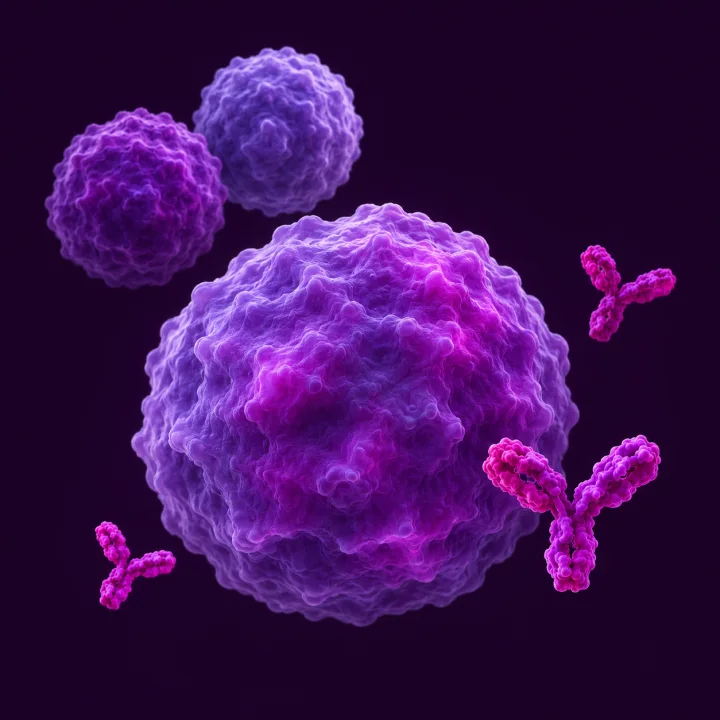 Hybridoma
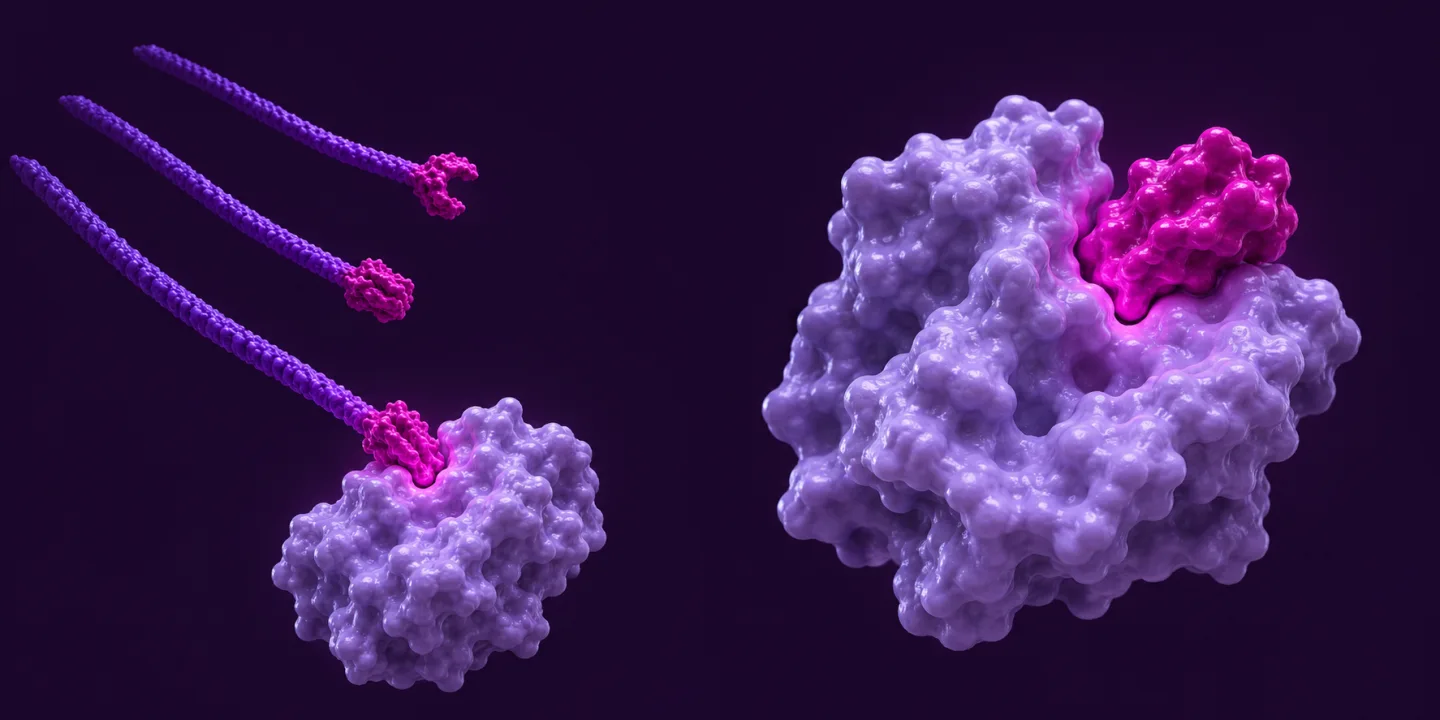 Phage display
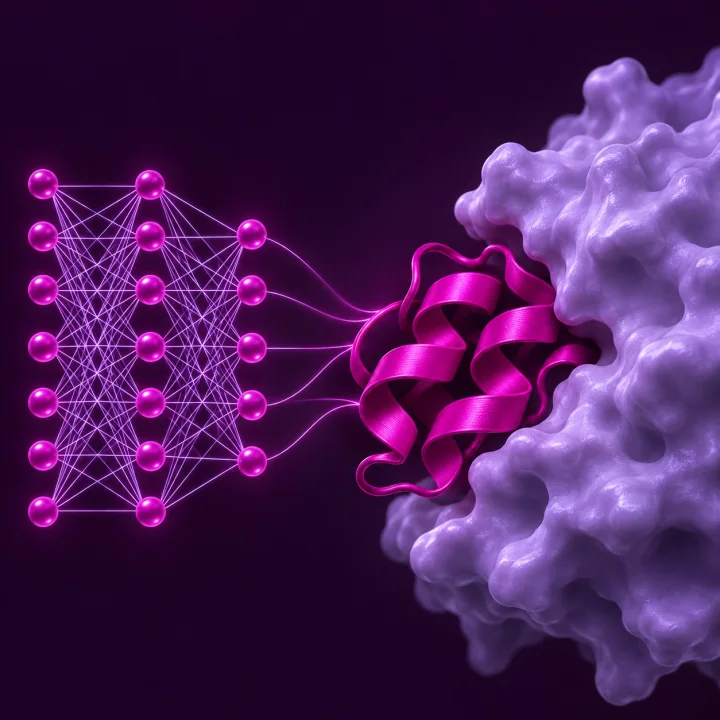 AI design
Three ways to find a binder
Swipe to compare all three methods.
| What to compare | Hybridoma | Phage display | AI design |
|---|---|---|---|
| First hits | ~2–3 months | ~2–4 weeks | ~2–6 weeks |
| Relative cost | Highest | Moderate | Low to moderate |
| Lab screen | Hundreds to thousands of clones | Tens to hundreds of clones | Tens to hundreds of designs |
| Binding site | Limited direct control | Can steer selection | Choose the site up front |
Planning estimates for early discovery. Phage display assumes a ready library. AI cost depends on the number of rounds.
Humanising a mouse antibody adds time and cost. Phage display starts with a large, often proprietary library. After selection, teams express fragments in bacteria. They can then reformat hits as full antibodies.
Why use AI?
We engineer proteins around the job they need to do and use lab results to steer each round.
Choose the format
We can design a peptide, a miniprotein or a larger protein. We design for stability and check how well bacteria produce the protein.
Engineer the mechanism
We choose the binding site and how the binder fits. We can design it to bring two proteins together at a chosen angle. Conventional screens rarely select for that geometry directly.
Run the next round sooner
We can start from a model before purified target protein is ready. We generate tens of thousands of designs on a computer and test tens to hundreds. Lab results guide the next round.