Binder discovery

From hundreds of designs to measured activity

Bring us a target and tell us what the binder needs to do. We design libraries of 4–10 kDa miniproteins, with larger protein formats when the project calls for them.

  1. Design the library

    We design 500 miniproteins for the target and combine them in one library.

  2. Run biological selection

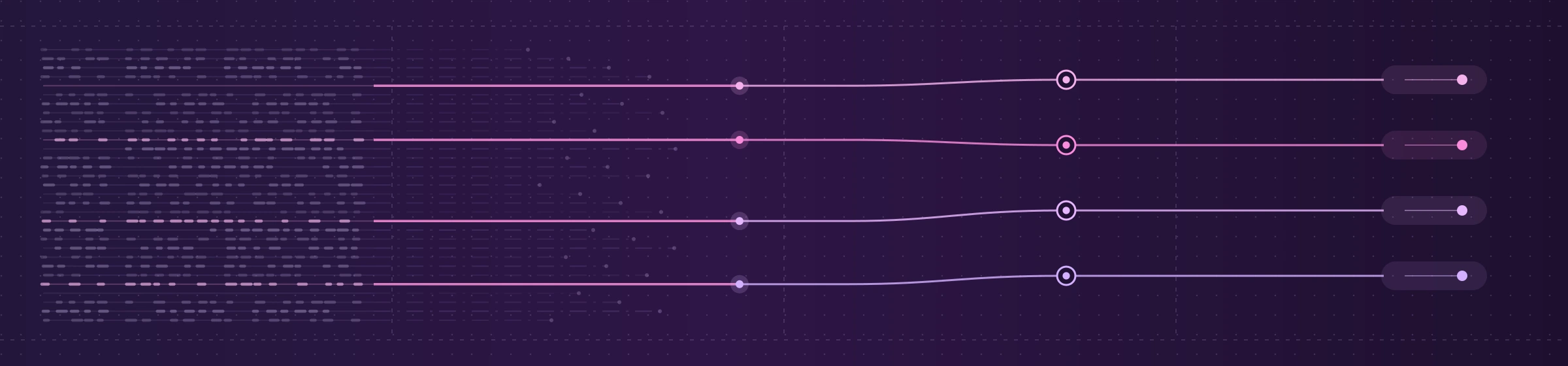
    Biological selection enriches candidates that interact with the target.

  3. Cherry-pick from the library

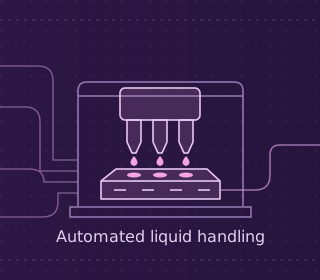
    Automated liquid handling picks individual candidates from the enriched library.

  4. Scale up and purify

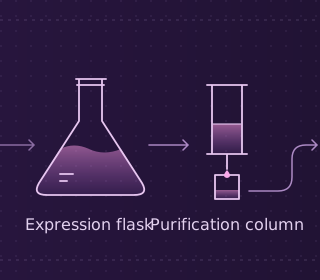
    We express each selected binder in a flask, then purify it by column chromatography.

  5. Assess activity

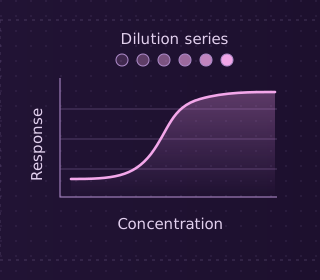
    We test purified binders across a concentration series to measure activity at each dose.

Binder discovery workflow

The lab is part of the design loop

Selection shows which designs rise to the top. We use those results to refine our models and build the next library.

  1. Design a library
  2. Measure selection outcomes
  3. Refine the model
Feed the next design round

Work with us

Binder discovery services

Bring us a target, an existing binder or two proteins you want to bring together. We’ll design for your assay, imaging probe or delivery format.

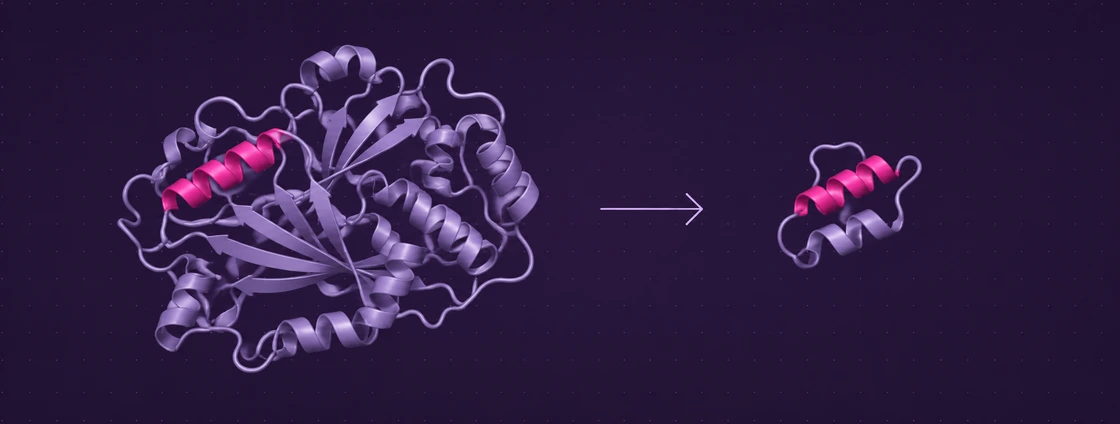
A binding motif highlighted in magenta is grafted from a large protein into a much smaller folded scaffold.

Turn larger binders into microbinders or peptides

We start with a larger protein scaffold and graft its binding motif into smaller formats. Then we screen hundreds of designs together and test which microbinders or peptides keep the interaction you need.
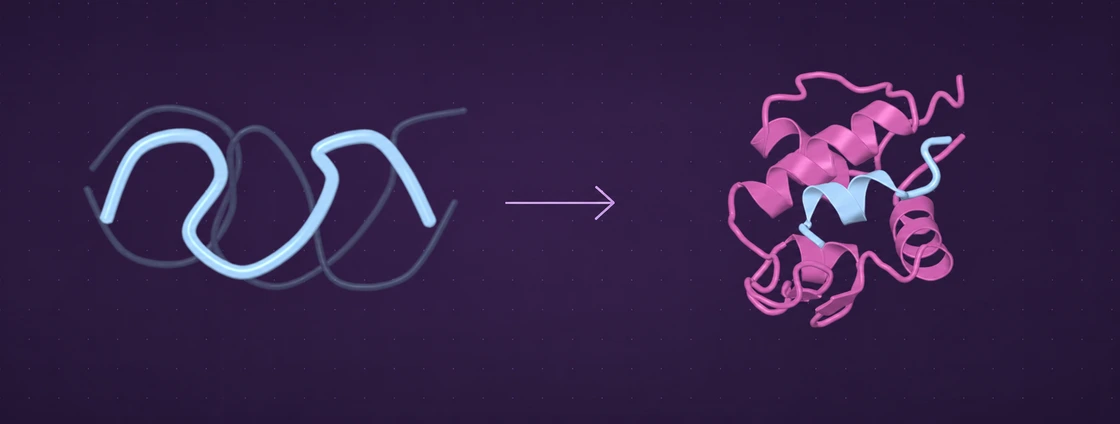
A loose disordered segment is shown free in solution and as a short helix docked in a cleft on the magenta binder.

Target disordered regions

We design and screen binders against intrinsically disordered regions. These sequences can take on many conformations.
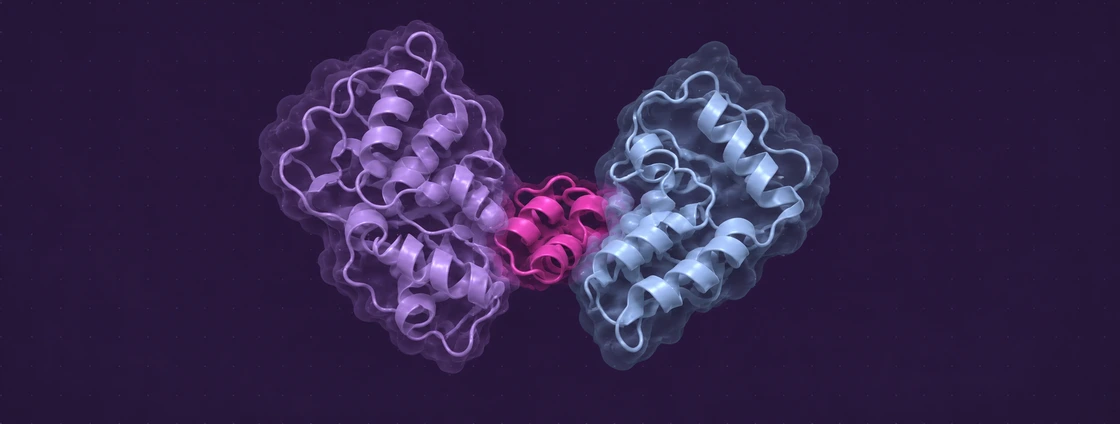
A small magenta binder nestles at the shared interface of two larger partner proteins, contacting both surfaces.

Bring two proteins together

An engineered binder can recruit one protein to another. We test whether the three form a complex.
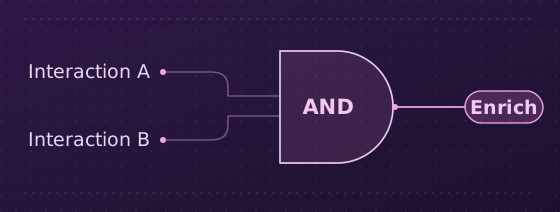
An example AND gate combines two interaction criteria and enriches candidates that meet both.

Select with logic gates

We build screens around combinations of interactions. An AND gate enriches candidates that meet both criteria.
What do you need your binder to do?

Tell us where it should bind, how you’ll use it and what you need to measure. We’ll plan the screen and follow-up assays with you.

Start a discovery project